
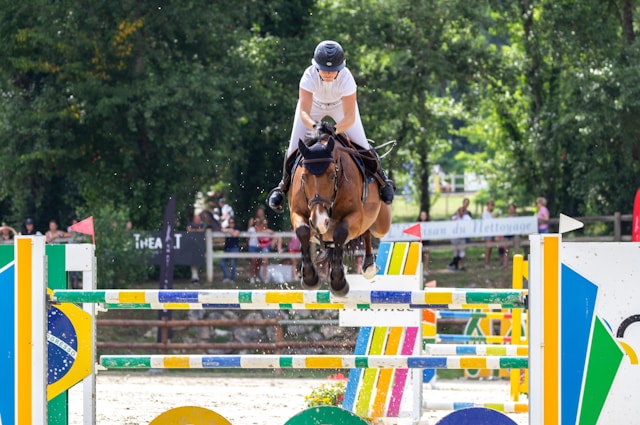
Choosing the Best Horse Jump Standards for Equestrian Training
Key Takeaways:
- The right horse jump standards are essential for competitive and recreational equestrian activities.
- When choosing jump standards, safety, material, and design should be top considerations.
- Maintaining versatility in jump setups can aid in practical training sessions.
Table of Contents:
- Introduction to Horse Jump Standards
- Importance of Choosing Quality Materials
- Factors Influencing Safety and Stability
- The Impact of Design on Performance
- Versatility in Training with Adjustable Standards
- Conclusion: Making the Right Choice
Introduction to Horse Jump Standards
Mastering equestrian skills begins with selecting the right horse jump standards, essential tools that transform your training regimen. Equestrian training is a nuanced art beyond merely jumping over obstacles; it’s about doing so with skill, confidence, and safety. Selecting the proper jump standards can be a game-changer, offering a dynamic and adaptable training environment. Within this context, schooling horse jumps provide versatile options that meet varied training needs and standards, making them an integral part of any serious equestrian’s toolkit.
For seasoned competitors and hobbyist riders, the right jump standards offer more than just a physical boundary; they cultivate an atmosphere of learning and growth. The confidence instilled by using reliable equipment enables both horse and rider to focus on enhancing performance, setting a solid foundation for future achievements.
Importance of Choosing Quality Materials
The material composition of jump standards significantly influences their effectiveness and lifespan. Choosing the best material for your needs entails understanding the benefits and drawbacks of wood, metal, and PVC options. For instance, wooden standards, though often heavier, are celebrated for their classic and polished look, which is especially desirable in show-jumping environments where aesthetics play a key role.
In contrast, metal standards boast longevity and sturdiness, which are ideal for facilities exposed to varied weather conditions. Meanwhile, PVC standards stand out due to their lightweight nature and inherent water-resistant properties, offering durability without compromising ease of use.
Factors Influencing Safety and Stability
Safety considerations are paramount when selecting horse jump standards. The prerequisite of a sturdy yet safe standard cannot be overstated, as it requires balancing secure positioning with an ability to fall away under pressure easily. This ensures that if a horse makes contact, there is minimal risk of injury. The stability of jump standards can be enhanced through secure placement and proper footing, ensuring they remain intact during usage.
It’s essential to inspect these standards regularly to ensure their components are in top condition, thus preserving the integrity of the jump course. This vigilance builds trust between horse and rider, which is essential for executing successful and uninterrupted training sessions.
The Impact of Design on Performance
Beyond materials and safety, the design aspects of horse jump standards substantially impact training efficacy. The jump layout influences the course’s aesthetic appeal and functional versatility. Different designs serve different training objectives; wing standards with broader bases allow for complex course setups to simulate competition conditions.
As emphasized by expert, diversifying design options opens many possibilities for varied training regimens. Such options facilitate diverse training programs that hone a horse’s responsiveness and adaptability, leading to peak performance in actual competition scenarios.
Versatility in Training with Adjustable Standards
Adjustable jump standards offer unparalleled benefits, making them a coveted choice for equestrian trainers. These standards provide the flexibility to modify jump heights and configurations, allowing training to be tailored to the needs of different horses and skill levels. This flexibility benefits young horses or those new to competitive jumping, allowing for gradual acclimatization to varying heights and styles.
By employing adjustable standards, trainers can focus on specific skill sets, such as improving technique or developing a horse’s confidence. This adaptability supports incremental progress, crucial for achieving long-term training goals and ensuring that horses remain engaged and motivated throughout their development.
Conclusion: Making the Right Choice
Choosing the right horse jump standards requires a blend of quality materials, innovative design, and safety features. Equestrian trainers and riders prioritize these aspects to ensure effective and secure training environments. This careful selection process fosters peak performance and upholds a safety-critical standard for the well-being of both horse and rider as they confidently pursue their equestrian aspirations.