
Smart Home Innovations: Improving Access and Security Through Automation
Automation is revolutionizing how we live, transforming routine tasks into seamless processes that make our lives easier and more efficient. This ensures convenient access and enhances the security of homes, aligning with today’s demand for more intelligent living environments. The growing home automation trend reflects a significant shift toward technology-driven lifestyles, which balance comfort, efficiency, and safety.
Homeowners increasingly seek solutions that offer convenience without compromising safety; this is where automation shines. By incorporating automated door safety compliance, residents can ensure that their homes remain secure while enjoying the benefits of automation. This includes real-time monitoring and control, allowing homeowners to manage various aspects of their home environment remotely. As a result, home automation stands at the forefront of creating intuitive, efficient living spaces that cater to the dynamic needs of modern life.
Key Takeaways:
- Smart home technologies offer enhanced convenience and security.
- Automation of in-home access systems is becoming more user-friendly and affordable.
- The integration of intelligent systems into daily life can increase property value.
Table of Contents:
- Introduction to Home Automation
- The Benefits of Automated Access and Security
- Types of Home Automation Solutions
- How Automation Enhances Home Security
- Smart Home Innovations on the Rise
- Overcoming Challenges in Home Automation
- Future Trends in Home Automation
- Conclusion
Introduction to Home Automation
Home automation has swiftly transitioned from a futuristic concept to a tangible reality, integrating state-of-the-art technology with everyday routines. Central to this transformation is incorporating automated door safety compliance, which has become a critical component of modern home automation systems. At its core lies the ability to control and streamline various home systems, such as lighting, heating, and security. Such advancements allow homeowners to manage and customize their living environments remotely. The appeal of smart home systems is further amplified by their versatility, allowing users to incorporate solutions that best fit their lifestyles. As these technologies become more ubiquitous, they signify a step towards habitats that are not only more manageable but also more responsive to the needs of their inhabitants.
The Benefits of Automated Access and Security
The benefits of integrating automated access and security systems into homes are profound, affecting both daily life and long-term home economics. These systems provide homeowners peace of mind by ensuring their premises are constantly monitored and protected. Alerts and notifications provide real-time updates on the status of the home, offering an extra layer of security without the need for constant manual supervision.
Regarding energy management, automation offers significant cost savings by optimizing energy usage through intelligent systems that adapt to personal usage patterns. This, in turn, leads to reduced utility expenses, which can be substantial over time. By adopting automation, homeowners enhance their security and convenience and enjoy a more economically sustainable lifestyle.
Types of Home Automation Solutions
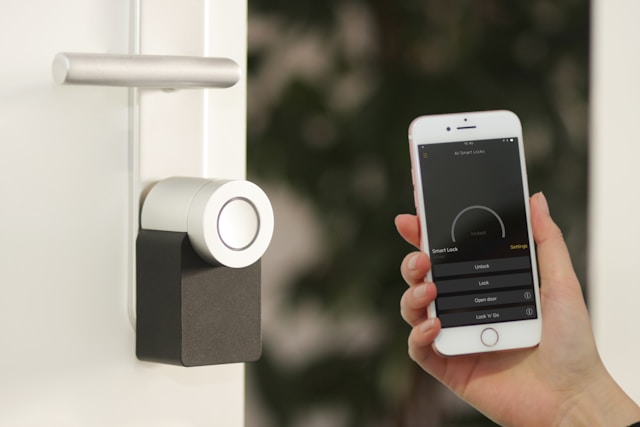
The range of home automation solutions available today is expansive, encompassing a variety of systems aimed at making life more convenient. Keyless entry and smart lock systems are at the forefront, allowing homeowners to control access through remote mechanisms or unique security codes. Such advancements eliminate the need for physical keys, reducing the risk of unauthorized access.
Additionally, personalized home automation systems allow users to tailor their environment to their tastes and needs. By integrating various appliances and systems—such as lighting, audiovisual, and temperature controls—users can create unique experiences that enhance comfort and efficiency. This level of customization brings an added dimension to modern living, transforming homes into personalized sanctuaries.
How Automation Enhances Home Security
The overlapping security systems and home automation have led to more comprehensive safety measures. Automation facilitates the integration of cameras, alarms, and motion detectors, all of which can be managed via mobile apps. This way, homeowners can monitor their property in real-time and receive alerts if any suspicious activity is detected.
Furthermore, these automated systems contribute to an overall sense of community safety. With interconnected devices, neighborhoods can develop a network of alerts and checks, creating a more secure environment for everyone involved. Such advancements also provide a deterrent effect, as the presence of sophisticated security measures reduces the likelihood of unwanted intrusions.
Smart Home Innovations on the Rise
The field of smart home innovation continues to expand, driven by technological advancements and increasing consumer demand for more imaginative living solutions. The concept of interconnected intelligent cities has recently gained traction, highlighting how integrating intelligent technology can elevate urban living standards. By utilizing technology to manage resources and infrastructure more efficiently, these cities aim to provide a template for future living environments where technology supports sustainable growth.
Innovations like AI-driven assistants and IoT devices are shaping how individual homes interact with their inhabitants. These technologies learn from and adapt to user habits, providing a highly personalized living experience. Such innovations indicate a shift towards homes that not only support daily routines but also predict and adapt to their residents’ evolving needs.
Overcoming Challenges in Home Automation
Despite home automation’s advantages, several challenges must be addressed. Privacy and data security are at the forefront, as the increased connectivity of devices poses certain risks. Protecting personal information from potential breaches is critical, necessitating robust security measures to accompany technological advancements.
Interoperability also poses a challenge, with various devices from different manufacturers needing to work together seamlessly. Furthermore, the cost of setup can be a barrier for some consumers. To overcome these hurdles, the industry is focusing on creating universally compatible systems and employing cost-effective strategies to broaden the accessibility of intelligent technology.
Future Trends in Home Automation
The future of home automation promises further evolution in both technology and application. Innovations in AI are expected to provide even more intuitive systems that anticipate user needs and preferences. Additionally, integrating renewable energy sources into home automation systems will reduce carbon footprints and enhance energy efficiency, contributing to more sustainable living conditions.
The projection of emerging trends and developments reshaping the smart home industry indicates a future where harmony between technology and the environment is paramount. By focusing on sustainability and smart growth, automation will continue to evolve, delivering even more significant benefits to users worldwide.
Conclusion
Home automation significantly advances how we manage and interact with our living spaces. As these systems continue to improve, they promise greater convenience, enhanced security, and improved efficiency. With ongoing advancements and a focus on meeting consumer needs, smart home technology is not just shaping today’s homes but setting a standard for the future. As homeowners navigate this exciting frontier, the synergy between technological capability and daily life will become increasingly seamless, paving the way for future innovations.